Refill, Reuse, Relax at Home

Today we’re diving into Refillable Home Staples—everyday cleaners, soaps, pantry basics, and household supplies you can top up instead of tossing. Discover approachable checklists, budget math, and honest stories from households that made the switch. Expect specific dilution ratios, storage ideas, and practical timelines that respect busy schedules. Share your first refill victory in the comments and subscribe for monthly refill recipes, printable labels, and reminder prompts that keep your home calm, efficient, and beautifully low-waste without sacrificing comfort or convenience.

Getting Started Without Overwhelm

A smooth start begins with noticing what you already use most, then swapping one or two items for refills that make immediate sense. A ten-minute audit, a tiny basket of containers, and simple reminders create momentum. Progress feels real when soap pumps, spray bottles, and jars stay in service longer. Share your quick-win swaps with our community, and ask questions if any detail feels unclear, because clarity reduces hesitation and turns a good intention into a satisfying, repeatable habit you can proudly maintain.

The One-Week Audit

Spend seven days tracking what runs low first—hand soap, dish liquid, laundry detergent, olive oil, coffee beans, spices. Snap phone photos when items hit one-third full. This simple ritual reveals your true priorities and avoids random purchases. At week’s end, choose the easiest refill, label it clearly, and celebrate the win. Small steps compound quickly when you can see progress. Share your list with friends, invite advice, and borrow a container before buying, saving money and avoiding unnecessary clutter.

A Starter Kit You’ll Actually Use

Build a compact kit with two durable pump bottles, one glass spray bottle, a funnel, a measuring cup, and four stackable jars. Keep everything in a single shoebox by the sink to prevent wandering tools. Add washable cloths, plus a wax pencil for quick labels. Start with just hand soap and all-purpose cleaner. After two refills, add dish soap or shampoo. Reward yourself by upgrading a bottle you touch daily. Write down what worked, and ask the community for favorite container brands.

Set-and-Forget Reminders

Create calendar nudges for refill checks every other Sunday, plus a monthly “bulk run” reminder. Stick a small note inside the under-sink door listing dilution ratios and the store hours of your closest refillery. If you order online, schedule delivery a few days before your usual empty point. Consistency keeps panic purchases away. If you miss a reminder, simply reset without guilt. Share your reminder system with friends, swapping tips that make routines smoother and less dependent on willpower alone.

A Kitchen and Pantry That Keep Giving

Cooking becomes easier when supplies are visible, labeled, and simple to replenish. Refillable oils, vinegars, grains, beans, coffee, and spices build confidence because you always know what you have and how fresh it is. Decanting avoids messy packaging, while airtight containers protect aroma and texture. Keep a small “refill buffer” so favorite ingredients never run out during dinner. Tell us which pantry staples you refilled first, and explore shared spreadsheets from readers who track freshness dates and rotation strategies with zero overwhelm.

Spices and Aroma Longevity

Buy spices in small quantities from bulk bins to preserve brightness. Transfer into dark glass jars or tins, label the purchase month, and keep a tasting spoon nearby for freshness tests. Whole spices last longer than ground; toast small batches to unlock layered flavors. A reader shared how cinnamon’s scent returned after switching to tiny refills every two months. Keep a short list of three blends you actually use weekly, and resist collecting extras. Share your go-to blend with the community.

Oil and Vinegar Rotation

Choose one everyday olive oil, one high-heat neutral oil, and two vinegars you truly enjoy. Refill in opaque or amber bottles to slow light damage, and track top-up dates with a discreet label under the bottle. Pour small amounts into a dispenser for daily cooking, leaving the rest sealed. A friend realized she wasted less by buying fresher, smaller refills. Plan a tasting night to compare varieties, and post your favorites. Crowd recommendations shorten the learning curve and prevent flavor fatigue.

Bathroom Refills That Feel Like Little Luxuries

Hand Soap That Guests Remember

Use a sturdy glass or stainless dispenser with a pump that never sticks. Choose a neutral scent for daily use, then keep a tiny vial of concentrated essential oil nearby to personalize batches. A reader mixes citrus for mornings and lavender at night, tracking drops on the label. Refill when one-third full to avoid dry pumping. Encourage guests to try a pump and tell you which scent feels welcoming. Small touches create conversations, invitations, and practical feedback that improves your next refill.

Hair Care Choices Without Clutter

If you prefer liquids, refill slim bottles that fit your shower caddies. If you choose bars, invest in draining dishes to prevent mush and wasted product. Test one formula at a time, waiting two weeks before judging results. Hard water might require a clarifying routine; note adjustments right on the bottle. One reader reduced frizz by refilling a fragrance-free base, then adding two drops of rosemary. Share favorite routines for curly, fine, or color-treated hair so others can copy methods confidently.

Hygiene, Safety, and Cross-Contamination

Before any refill, rinse bottles with hot water, then let them air-dry fully. For items touching skin, sanitize pumps monthly with rubbing alcohol on a cotton pad. Do not mix old and new formulas if expiry dates differ dramatically. Keep a small funnel dedicated to bathroom products, labeled to avoid kitchen crossover. Note scent changes or separation, and contact the supplier if anything looks unusual. Share what sanitizing routine worked for you, helping new refillers build safe, trustworthy habits without anxiety.

Laundry and Cleaning, Light on Plastic

Refillable laundry detergent, stain remover, fabric softening alternatives, and multi-surface cleaners dramatically reduce containers while sharpening results. Concentrates save space and money when dilution is clear and consistent. Keep microfiber cloths, scrub brushes, and a squeegee ready to replace paper towels. Track how many washes you get per refill to plan purchases. Post your toughest cleaning victory—grease, grout, or coffee stains—so others can learn real-world tricks. As routines stabilize, you’ll notice fewer impulse buys and less visual clutter under every sink.

Storage, Labels, and Everyday Beauty
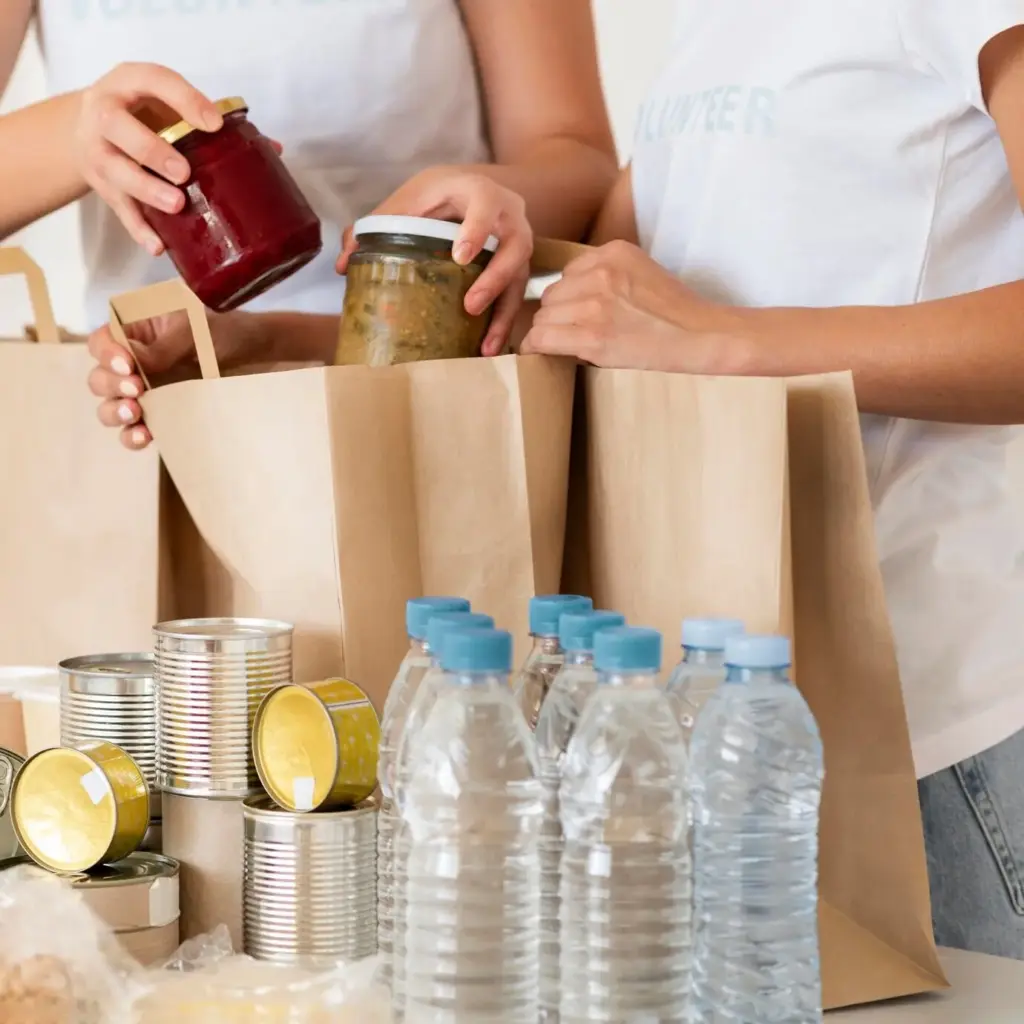
Beautiful systems work because they are easy, not perfect. Choose containers that match your space and hand feel, then label clearly with product name, date, and basic instructions. Transparent vessels invite use; opaque ones protect light-sensitive refills. Keep refills together by location—kitchen, bath, laundry—to simplify routines and reduce duplication. Celebrate elegance without pressure by styling one shelf you touch daily. Share photos of your setup, ask for gentle critique, and borrow printable label templates from our community resource library.

Money, Time, and Carbon You Can Measure

Refills save when measured across months, not days. Concentrates reduce deliveries, smaller containers fit better, and planned routes minimize fuel. Carbon drops when plastic and transport shrink together. Track three metrics: cost per use, time per refill cycle, and packaging avoided. Celebrate small wins: one reader saved thirty dollars monthly and cut five containers from recycling. Post your numbers, even rough ones, and borrow our spreadsheet. Clear data turns motivation into momentum and makes every refill choice feel undeniably smart.

A Month-on-Month Budget Snapshot

Compare a typical month of disposables against a refill month with concentrates. Include shipping, store trips, and impulse buys. Many readers find a stable groove by month three, when sizes and frequencies match real life. Track cost per wash, pump, or tablespoon. Share your snapshot, and we will anonymize averages for future guides. Seeing numbers demystifies decisions, reduces second-guessing, and helps partners get on board. Practical math, not perfectionism, builds trust and keeps your household confident through seasonal changes.

Errand Routes and Delivery Timing

Combine refillery visits with other errands, or schedule deliveries to land before predictable low points. Keep a tiny list of backup sources to dodge stockouts. One reader pairs refills with weekend markets, turning chores into a ritual with coffee and conversation. Another sets quarterly deliveries for concentrates only. Share your route hacks and preferred timing windows. Reducing extra trips saves money, emissions, and mental load. Logistics that respect real life make refills sustainable long after initial excitement fades.

Community, Refilleries, and Shared Wins
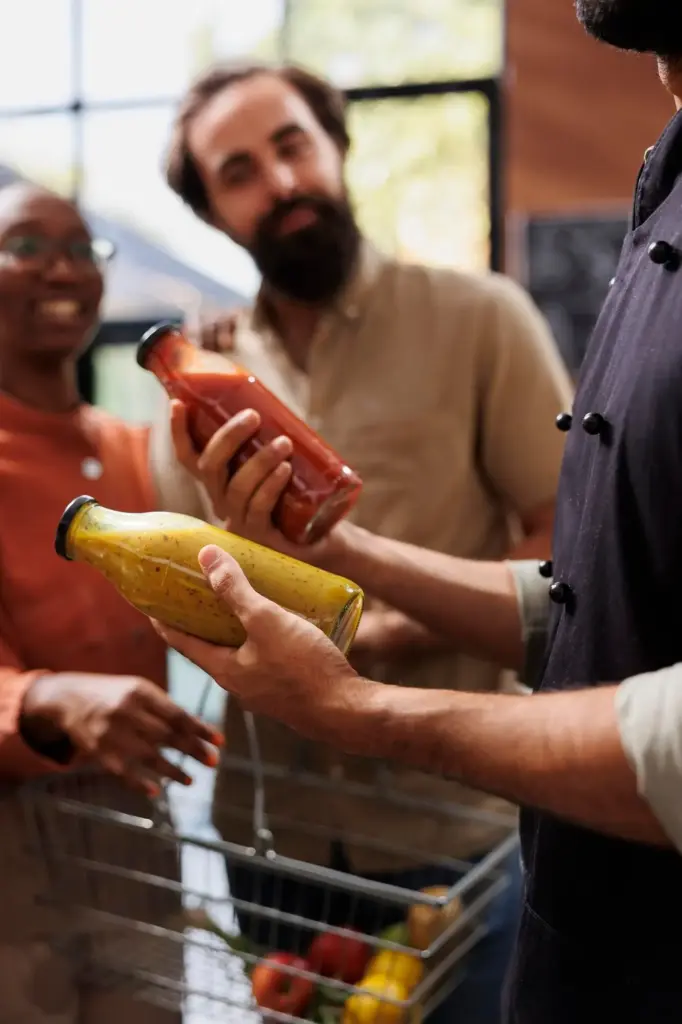
Local refilleries, co-ops, and like-minded neighbors make everything easier. Ask staff for best-value concentrates, bring clean containers, and test small amounts first. Host casual meetups to trade jars, split bulk buys, and compare routines that actually work. Share your favorite stores, maps, and hours in the comments so others can plan. A reader formed a monthly refill circle, rotating drivers and playlists. Join our newsletter for region-specific guides, refill recipes, and seasonal reminders that keep momentum joyful rather than demanding.
Kuzurumenufofoxunitife
Privacy Overview

This website uses cookies so that we can provide you with the best user experience possible. Cookie information is stored in your browser and performs functions such as recognising you when you return to our website and helping our team to understand which sections of the website you find most interesting and useful.