
Refill Smart, Stay Safe at Home

Today we explore Safety and Hygiene Practices When Refilling Household Chemicals, turning a routine chore into a calm, confident ritual. You will learn clear steps for preparation, protective gear, precise pouring, labeling, and emergency readiness, supported by relatable stories, practical checklists, and friendly prompts to share experiences, ask questions, and subscribe for ongoing household safety inspiration.

Preparation Before Any Refill

Before opening any bottle, set the stage for control and clarity. Clear clutter, open windows, switch on a fan, and choose a nonporous surface with good lighting. Keep children and pets away, verify containers are sound, and confirm product compatibility. Five minutes of thoughtful preparation prevents spills, surprises, and stressful guesswork.

Personal Protective Equipment That Actually Works

Effective protection pairs the right materials with the right task. Match gloves, goggles, and garments to the chemical family and concentration, remembering ventilation complements but never replaces PPE. Learn from near‑miss stories how a single splash guard prevented injury, and build a dependable, comfortable kit you will actually use.

Hands: Choosing the Right Gloves

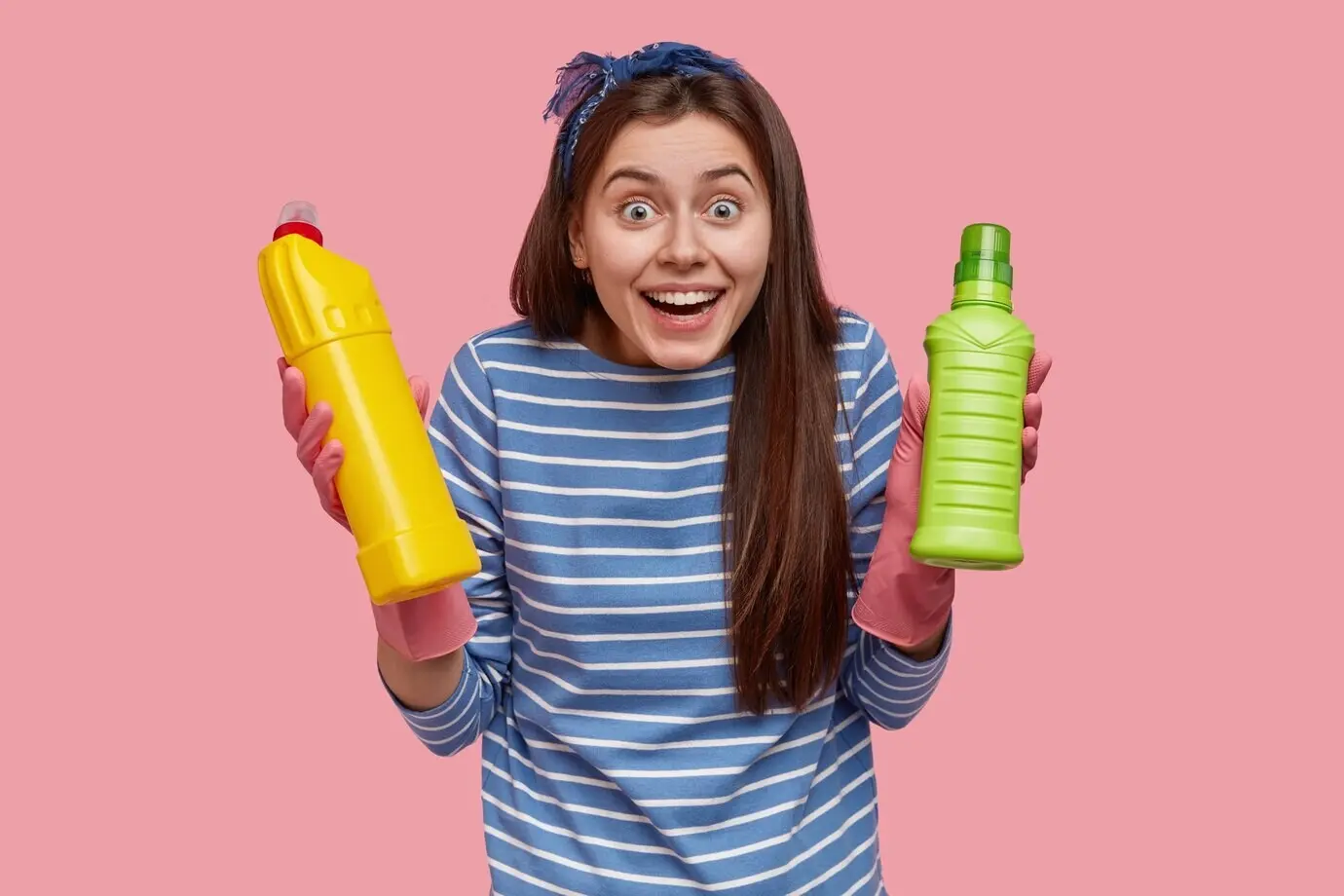
Select nitrile for many cleaners, neoprene for corrosives, and avoid thin latex with oils or solvents. Check breakthrough times, size correctly, and consider double‑gloving for concentrates. Remove without skin contact, wash hands afterward, and replace at first signs of swelling, discoloration, tears, or persistent odors absorbed in the material.
Eyes and Face: Goggles and Shields

Choose ANSI Z87.1‑rated, indirect‑vent goggles that seal well over brow and cheekbones. Add a face shield when pouring acids or thick concentrates. Avoid relying on regular glasses. Prevent fogging with anti‑fog wipes, store scratch‑free, and keep eyewear accessible where you actually refill, not buried in a distant drawer.

Clothing and Footwear

Protect skin with long sleeves, a washable apron, and sturdy, closed‑toe shoes. Prefer natural fibers that char rather than melt. Tie back hair, remove dangling jewelry, and avoid scarves that can wick liquids. Keep a dedicated set for refills and launder separately after handling strong concentrates or accidental splashes.


Decanting Techniques and Tools

Smooth, controlled transfers prevent splashes and wasted product. Use funnels, spouts, or pumps designed for chemicals, never kitchen utensils. Measure precisely, decant over a tray, and cap containers promptly. Control static, vent pressure slowly, and respect gels that flow reluctantly. Small habits protect hands, eyes, lungs, and expensive surfaces.

Preventing Cross-Contamination and Dangerous Reactions

Keep products, tools, and containers strictly separated to avoid invisible residues combining later. Color‑code equipment, rinse and dry thoroughly, and store incompatibles apart. Remember classic hazards: bleach with ammonia or acids creates toxic gases. Clear labeling, dedicated funnels, and disciplined habits protect indoor air, surfaces, fabrics, pets, and people.

Dedicated Containers and Color Coding

Assign one funnel, pump, and measuring cup per product family, and mark with bold, permanent colors. Never reuse food or beverage bottles. After refilling, wash tools thoroughly, rinse with plenty of water, and air‑dry upside down. Keep a simple chart on the cabinet door so everyone follows the system.

Know the Big Incompatibilities

Memorize these pairs to avoid: bleach with ammonia produces chloramines; bleach with acids like vinegar or toilet cleaner releases chlorine gas; hydrogen peroxide with vinegar forms peracetic acid; mixing drain cleaners can erupt violently. When uncertain, stop and check the Safety Data Sheet, especially stability and reactivity guidance before proceeding.

Spill Control Without Spreading

Act quickly but calmly. Ventilate, keep others out, and contain the liquid with folded paper towels or absorbent pads, pulling inward. Use tongs for glass instead of hands. Bag waste securely, wash the area with mild detergent, and never hose chemicals into drains that lead outdoors or septic systems.

Storage, Labeling, and Household Readiness

Safe refilling continues after the cap is tightened. Store products below eye level, out of sunlight, and away from heat. Use clear labels with dates and dilution details. Install childproof latches, post emergency numbers, and run quick practice drills. Invite family participation, and share your setup photos to inspire others.

Labels That Inform, Not Confuse

Write the product name, concentration, preparation date, and simple use instructions in large, water‑resistant print. Add hazard symbols and storage notes. If possible, include a QR code linking to the Safety Data Sheet. Test readability under bright light and glare, and ensure everyone understands before the container leaves the cabinet.

Segregated, Ventilated Storage

Separate oxidizers, acids, alkalies, and solvents into distinct bins with secondary containment. Keep away from food, heaters, and direct sun. Prefer sturdy plastic shelving with lips to catch drips. Maintain ventilation without blowing across your face. Review inventory quarterly, remove expired products, and note purchases to prevent duplicate, overcrowded storage.

Protecting Children, Pets, and Guests

Use locking cabinets and high shelves, and never decant into beverage bottles. Explain basic precautions to babysitters and visiting relatives. Keep animals out of the work area, and wipe paws or shoes after spills. Post poison control numbers clearly, and rehearse how to respond if someone experiences eye, skin, or breathing irritation.

Waste, Spills, and When Things Go Wrong

Preparation includes a plan for mistakes. Define what you can manage yourself versus when to evacuate and call professionals. Stock absorbents, heavy bags, and plenty of water. Learn local disposal rules, first‑aid steps, and emergency contacts. Keep incident notes to improve habits, and share lessons with our community.
Kuzurumenufofoxunitife
Privacy Overview

This website uses cookies so that we can provide you with the best user experience possible. Cookie information is stored in your browser and performs functions such as recognising you when you return to our website and helping our team to understand which sections of the website you find most interesting and useful.